

MARBLE, Colo. — Nestled in the Elk Mountains, the town of Marble, Colorado is home to some of the purest white marble in the world.
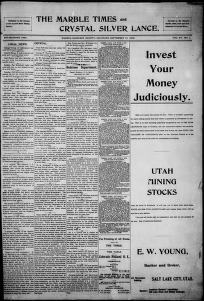
The abundance of Yule marble — Colorado’s state rock — in the area led to the creation of the town and gave it its name in 1881. Today, artists flock to the 134-person town to try their chisel on a piece of the prized rock, and quarry masters continue to mine the mountain’s motherlode of marble.
Nomadic Ute tribes were the first residents of the land that is now Marble. They lived in the area during the warmer months for hunting and fishing, but they had no real use for the marble and likely didn’t even know it was hidden beneath the exterior of the mountainside. White settlers discovered the area’s large marble deposit in the 1870s: geologist Sylvester Richardson in 1873 and prospector George Yule in 1874. The Yule Quarry opened in 1885, but interest in the resource didn’t take off until 1893 when coal baron John C. Osgood brought samples of the marble to the Chicago World’s Fair.
“When people saw that pure white marble, that spawned a boom. And everybody began to want it,” historian Duane Vandenbusche said.
Skilled workers from Greece and Italy came to the area to mine marble from the quarry, living a few miles down the newly-created road in the newly-created town of Marble. In addition to the quarry, the mining company built a finishing mill to polish and prepare the marble for commercial sale. At its height around 1914, about 1,400 people lived in Marble.
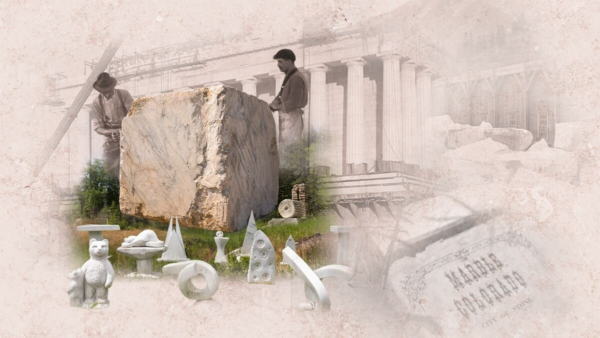
The marble from Marble is used in more than 400 public buildings, including the Lincoln Memorial and the Tomb of the Unknown Soldier. After the quarry sent the slab for the Tomb of the Unknown Soldier to Washington D.C. in 1931, Marble started to quickly go downhill, Vandenbusche said. By 1941, project contracts dried up completely as steel became a popular construction material. The quarry and mill closed and many people moved away.
Marble’s revival came in the 1980s when people saw a business opportunity to sell marble again, mostly for tiling. The quarry reopened in 1990 and changed hands over the years before landing with the family-owned Italian company RED Graniti. Their Colorado operations are known as Colorado Stone Quarries. The quarry employs 23 workers who produce between 600 and 800 tons of marble each month. The company catches runoff water in an old quarry gallery and uses the recycled water to rinse their equipment and reduce the amount of dust in the quarry.
The Marble/marble Symposium, a marble carving workshop that draws dozens of artists each summer, started in 1989. The program has a long wait list, with about 50 carvers participating in each session. While the symposium attracts some seasonal artists, a handful of carvers call Marble home year-round.
“The artists have helped create this town over the years,” Marble mayor Ryan Vinciguerra said.
The town hasn’t returned to its mining heyday, but it’s sure not a ghost town anymore.
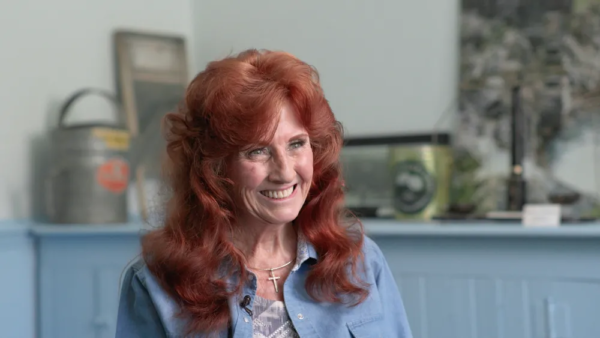
“Marble is a dense stone. It’s not a stone that you carve that you have to keep inside. So it makes it very resilient and beautiful and an extension of the earth. And actually, I kind of think that we, the ones of us that live here full time, are resilient, too,” said Connie Hendrix, a carver and Marble resident.
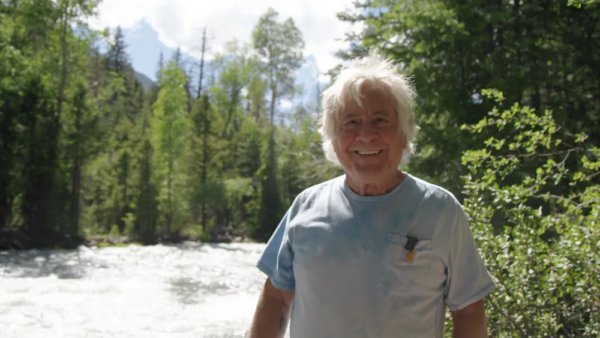
Artist Greg Tonozzi lives in Marble full time. He’s been carving marble for more than 50 years. He bought land in Marble in 1984 while living in Glenwood Springs so he could use the marble dumped there by the quarry. He participated in the Marble/marble symposium before moving to town full time 20 years ago. He loves the tranquility and remoteness of the town.
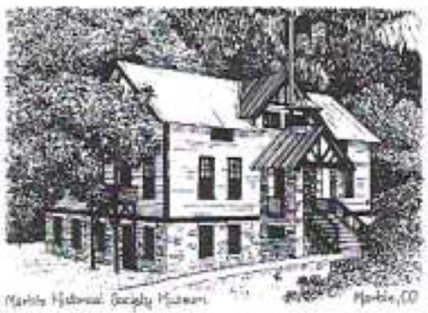
Kimberly Perrin is the director of the Marble Historical Society. Shortly after joining the museum, she started working with the quarry doing administrative work and eventually grading and showing marble blocks to clients. The Marble Historical Society runs the Marble Museum, which preserves and displays the town’s mining history.
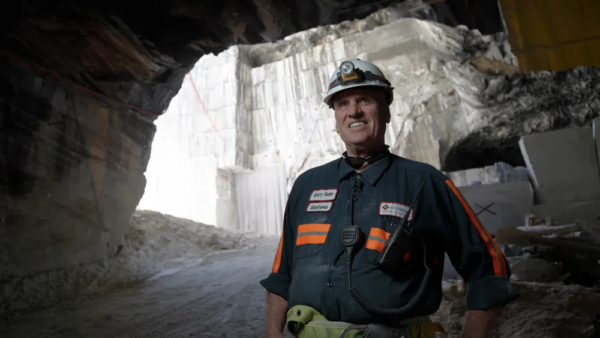
Stefano Mazzucchelli is quarry master at Colorado Stone Quarries in Marble. He’s worked in the business for 48 years. About 20 people work in the quarry. Once the quarry team cuts and quality controls the marble blocks, they send it to the company’s factory in Delta. Mazzucchelli said the company makes use of all the marble — the pieces they can’t sell are repurposed or donated to the artists’ symposium.